Tag: digital marketing

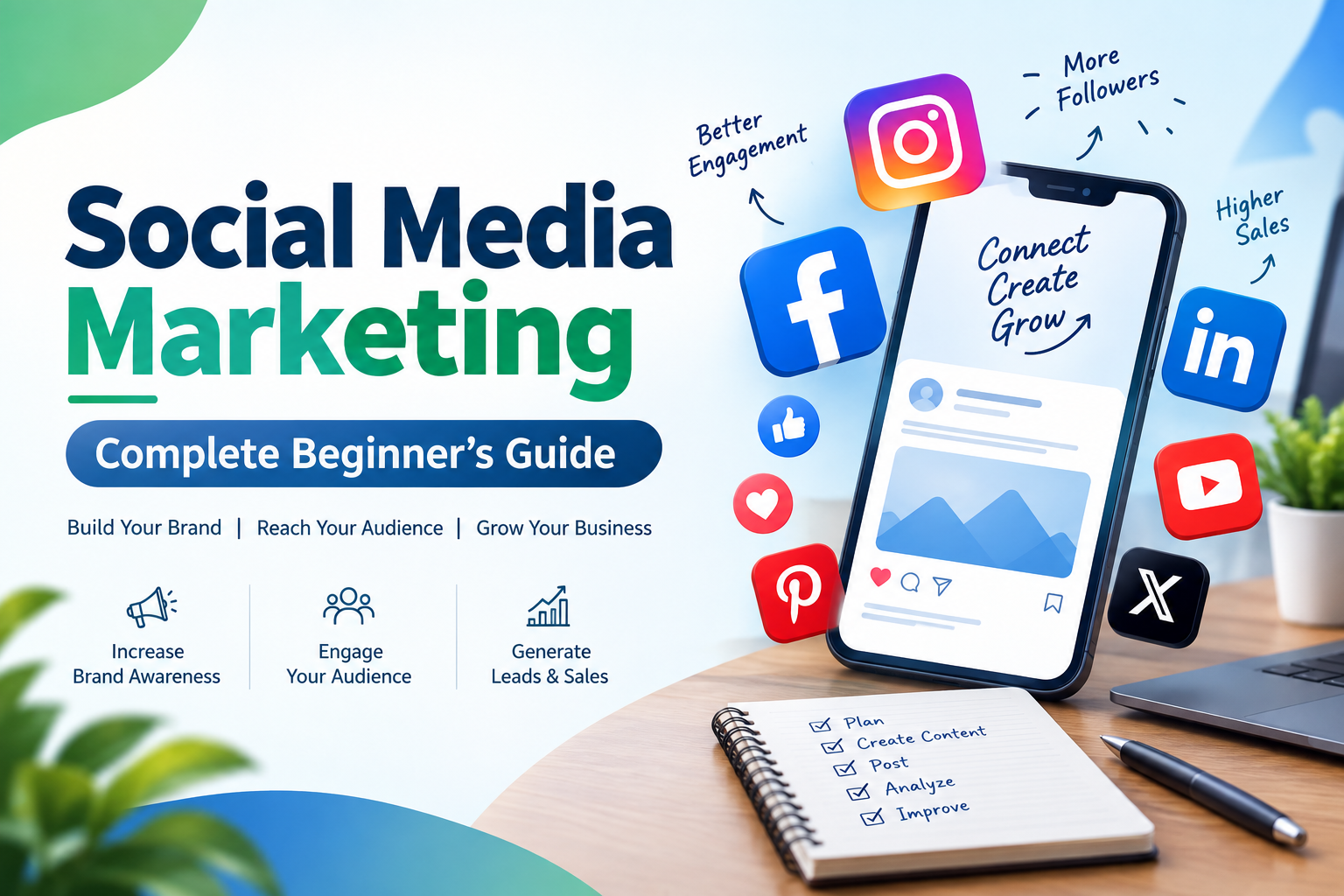
  • Social Media Marketing: A Complete Beginner’s Guide

    Social Media Marketing: A Complete Beginner’s Guide

    Social media has changed the way businesses communicate with customers. Today, people do not only use Facebook, Instagram, and other platforms to connect with friends; they also use them to discover brands, compare products, read reviews, and make buying decisions. This is why Social Media Marketing has become an important part of modern digital marketing.

    For a small business owner, freelancer, startup, or beginner, social media can be a practical way to build an online presence without requiring a huge marketing budget. However, success does not come from simply posting every day. You need the right audience, useful content, consistency, and a clear plan.

    In this guide, we will understand what social media marketing is, how it works, and how beginners can create a simple strategy for their business.

    What Is Social Media Marketing?

    Social media marketing means using social media platforms to promote a business, product, service, or personal brand. It includes creating content, communicating with customers, building a community, and using paid advertising when required.

    Some popular platforms include Facebook, Instagram, LinkedIn, YouTube, Pinterest, and X. Every platform has a different audience and content style, so businesses should choose platforms according to their goals and customers.

    For example, a clothing store may focus heavily on Instagram because photos and short videos can showcase products effectively. A professional service company may use LinkedIn to reach business clients.

    Why Is Social Media Marketing Important?

    One of the biggest benefits of social media marketing for businesses is the ability to reach potential customers directly. Instead of depending only on traditional advertising, businesses can communicate with people through content, comments, messages, and advertisements.

    Social media can help a business:

    • Increase brand awareness
    • Reach new customers
    • Build trust
    • Generate leads
    • Drive website traffic
    • Promote products and services
    • Improve customer communication
    • Increase sales

    However, businesses should not expect immediate results. Social media usually works better as a long-term marketing activity where trust and visibility are developed over time.

    Facebook Marketing for Business

    Facebook Marketing is useful for businesses that want to connect with a broad audience. A business can create a Facebook Page, publish posts, share videos, communicate with customers, and promote offers.

    If you are wondering how to use Facebook marketing for business, start by creating a professional business page with accurate information, contact details, website links, and a good profile image.

    Then create useful content instead of posting only advertisements. You could share product information, customer reviews, helpful tips, behind-the-scenes content, or answers to common customer questions.

    Facebook also provides Social Media Advertising options that allow businesses to reach specific audiences based on factors such as location, interests, age, and other available targeting options.

    Instagram Marketing for Business

    Instagram is highly focused on visual content, making it useful for businesses that can demonstrate their products or services through images and videos.

    If you want to know how to use Instagram marketing for business, start with a professional profile and maintain a consistent visual identity. Use different formats such as Reels, Stories, carousel posts, and regular posts.

    For example, a restaurant can publish food videos, customer experiences, special offers, and behind-the-scenes content. A digital marketing agency could share SEO tips, marketing advice, case studies, and educational Reels.

    The goal should not always be to sell. Educational and entertaining content can help people become familiar with your brand before they are ready to buy.

    How to Create a Social Media Marketing Strategy

    A good Social Media Strategy starts with a clear objective. Before creating content, ask yourself what you want to achieve.

    Your goal could be increasing awareness, generating leads, getting website visitors, or increasing sales.

    Next, identify your target audience. Understand their age, location, interests, problems, and purchasing behavior. This information can help you create more relevant Social Media Content.

    Then choose the platforms where your potential customers are most active. You do not need to manage every platform. Starting with one or two platforms is often easier for a beginner.

    Create a simple content calendar. For example, you could publish educational content on Monday, a product-related post on Wednesday, and a Reel or customer-focused post on Friday.

    Finally, check your results regularly. Look at reach, engagement, website clicks, leads, and conversions. Use this information to understand what your audience responds to.

    Social Media Management and Consistency

    Social Media Management involves planning, creating, publishing, monitoring, and improving social media content.

    Consistency is important, but consistency does not mean posting five times every day. A realistic schedule that you can maintain is better than posting frequently for a few days and then becoming inactive.

    You should also respond to comments and messages. Customers often judge a business by how it communicates with them online.

    Social Media Advertising vs Organic Marketing

    There are two common approaches to social media promotion: organic marketing and paid advertising.

    Organic marketing involves publishing content and building an audience without directly paying for distribution. Paid Social Media Advertising involves spending money to show advertisements to selected audiences.

    Both approaches can work together. Organic content can help build trust, while paid campaigns can help a business reach a specific audience and promote an offer.

    Best Social Media Marketing Tips for Beginners

    If you are new to social media marketing, keep your approach simple.

    First, understand your audience before creating content. Second, focus on providing useful information instead of constantly promoting your products. Third, use clear images, videos, and captions. Fourth, maintain a consistent posting schedule.

    Most importantly, do not judge your strategy after only a few posts. Give your content enough time to generate meaningful data, then improve your approach based on actual results.

    Conclusion

    Social media marketing can help businesses build visibility, communicate with customers, and generate new opportunities. Whether you choose Facebook Marketing, Instagram Marketing, or another platform, the foundation remains the same: understand your audience, create useful content, stay consistent, and measure your results.

    For anyone searching for social media marketing for beginners, the best way to learn is by starting with a simple strategy and improving it through practical experience. You do not need to master every platform at once. Start small, understand what works for your audience, and gradually develop your online marketing strategy.
  • SEO Basics: How Search Engine Optimization Helps Your Business

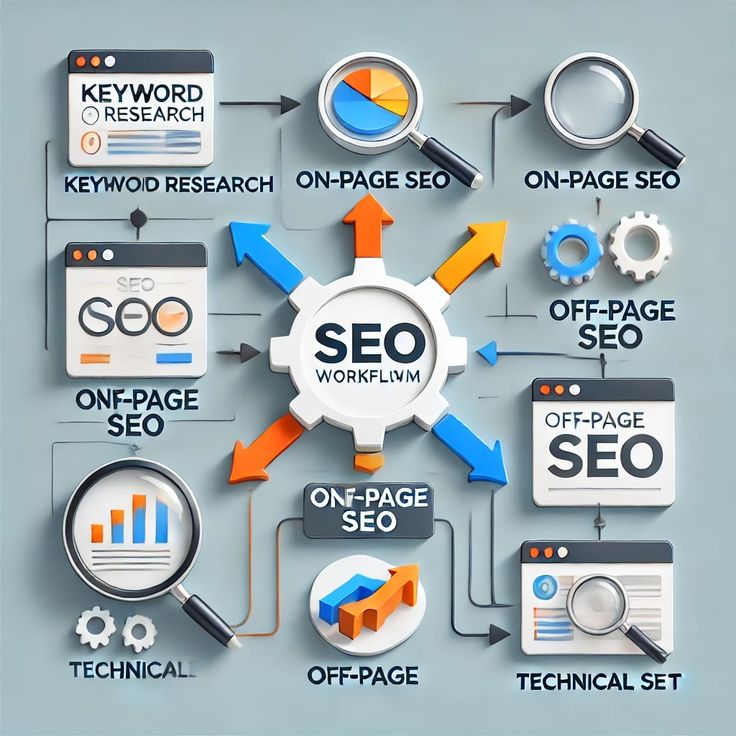
    SEO expert explaining search engine optimization basics for business growth

    In today’s digital world, having a website is only the first step toward building an online presence. Your website also needs to be visible when potential customers search for products, services, or information related to your business.

    This is where SEO, or Search Engine Optimization, becomes important.

    SEO helps businesses improve their visibility in search engine results. A well-planned SEO strategy can help a website attract relevant visitors, build credibility, and generate potential customers over time.

    In this guide, we will explain the basics of SEO, how it works, its major components, and how it can help your business grow online.

    What Is SEO?

    SEO stands for Search Engine Optimization. It is the process of improving a website and its content so that search engines can better understand and rank its pages for relevant searches.

    Search engines such as Google use automated systems to discover, understand, and organize web pages. When someone searches for something, the search engine tries to show results that are relevant and useful for that particular query.

    For example, imagine that you own a digital marketing agency in Lucknow. A potential customer might search for:

    • Digital marketing agency in Lucknow
    • SEO services in Lucknow
    • Social media marketing company near me

    If your website provides useful information related to these searches and follows good SEO practices, your pages may have an opportunity to appear in relevant search results.

    SEO does not guarantee a particular ranking. Search results depend on many factors and can change over time.

    Why Is SEO Important for Businesses?

    One of the biggest advantages of SEO is that it can help people discover your business when they are actively searching for something related to your products or services.

    Consider a customer who searches for “best website designer near me.” They already have a need. If your website appears in relevant search results, that person may visit your website and learn more about your services.

    SEO can therefore help businesses connect with people who are already interested in a particular topic, product, or service.

    Another advantage is that SEO can support long-term website traffic. Unlike paid advertising, where traffic generally depends on an active advertising budget, organic search traffic can continue as long as your pages remain useful, relevant, and visible.

    How Does SEO Work?

    SEO involves several different activities. Search engines analyze many aspects of a website and its content when determining which pages may be relevant to a search.

    A basic SEO strategy usually includes keyword research, quality content, technical optimization, website structure, and authority-building activities.

    The goal is not simply to add keywords to a page. Modern SEO focuses on creating useful content that satisfies the searcher’s needs while making the website easy for search engines to understand.

    1. Keyword Research

    Keyword research is one of the foundations of SEO.

    A keyword is a word or phrase that people enter into a search engine.

    For example, a person looking for marketing services might search for “digital marketing services,” “SEO company,” or “social media marketing agency.”

    Keyword research helps businesses understand what their target audience is searching for.

    However, choosing keywords only because they have high search volume is not always a good strategy. The keyword should also be relevant to your business and match the type of customer you want to attract.

    2. On-Page SEO

    On-page SEO focuses on elements that can be improved directly on your website.

    These elements can include:

    • Page titles
    • Headings
    • Website content
    • Meta descriptions
    • URLs
    • Internal links
    • Image descriptions
    • Content structure

    For example, if you publish an article about SEO basics, the title, headings, introduction, and main content should clearly communicate what the article is about.

    Good on-page SEO makes your content easier for both users and search engines to understand.

    3. Technical SEO

    Technical SEO focuses on the technical aspects of a website.

    A technically healthy website should be easy for search engines to crawl and understand. It should also provide a good experience for visitors.

    Important areas can include website speed, mobile usability, secure connections, website structure, indexing, and crawlability.

    If a website loads very slowly or has technical problems that prevent important pages from being discovered, its SEO performance may be affected.

    4. Content SEO

    Content plays an important role in SEO.

    Businesses can create useful content such as blog posts, guides, tutorials, FAQs, case studies, and service pages.

    The purpose should not be to publish content simply for search engines. Instead, content should answer real questions and provide useful information to the target audience.

    For example, a web design company could publish an article explaining how much a business website may cost, what features it needs, and how to choose a suitable platform.

    This type of content can help potential customers while also creating opportunities to appear for relevant searches.

    5. Local SEO

    Local SEO is particularly useful for businesses that serve customers in specific locations.

    For example, a restaurant, salon, medical store, coaching center, or local service provider may want to appear when people search for businesses in their area.

    Local SEO can involve creating and maintaining an accurate Google Business Profile, keeping business information consistent, collecting genuine customer reviews, and creating location-relevant website content.

    For a local business, being visible in relevant local searches can help increase website visits, calls, inquiries, and physical visits.

    Benefits of SEO for Your Business

    Increased Online Visibility

    SEO can help your website appear for relevant searches, making it easier for potential customers to discover your business.

    Relevant Website Traffic

    Good SEO focuses on attracting visitors who are interested in the topics, products, or services you offer.

    Better User Experience

    Many SEO improvements also make websites easier to navigate and use. Clear headings, helpful content, fast pages, and mobile-friendly designs can improve the visitor experience.

    Long-Term Growth

    SEO is generally a long-term marketing activity. Results can take time, but useful content and a well-maintained website can continue attracting organic visitors.

    Builds Online Credibility

    A professional website with useful content can help demonstrate knowledge and expertise in a particular industry.

    SEO vs Paid Advertising

    SEO and paid advertising work differently.

    With paid advertising, businesses pay platforms to display advertisements according to campaign settings and budgets.

    SEO focuses on improving organic search visibility.

    This does not mean one approach is always better than the other. Many businesses use both strategies. Paid advertising can provide visibility for specific campaigns, while SEO can support long-term organic growth.

    The right combination depends on the business, audience, budget, competition, and marketing objectives.

    How to Start SEO for Your Business

    If you are new to SEO, start with the basics.

    First, understand your target audience and identify the questions they are searching for. Then perform keyword research and create useful content around relevant topics.

    Next, optimize your website pages, improve internal linking, check technical issues, and make sure your website works well on mobile devices.

    You should also monitor your performance using appropriate analytics and search tools.

    SEO requires testing and continuous improvement. Search behavior, competition, and search engine systems can change, so businesses should regularly review their strategy.

    Conclusion

    SEO is an important part of digital marketing that can help businesses improve their visibility in search engines and attract relevant visitors.

    Keyword research, on-page SEO, technical SEO, content creation, and local SEO are some of the major areas businesses should understand.

    However, SEO is not a quick shortcut to guaranteed rankings. It is a long-term process that requires useful content, technical improvements, consistency, and regular analysis.

    By focusing on the needs of your audience and building a website that is useful, accessible, and easy to understand, your business can create a stronger foundation for organic search visibility and online growth.

  • What Is Digital Marketing? A Beginner’s Complete Guide

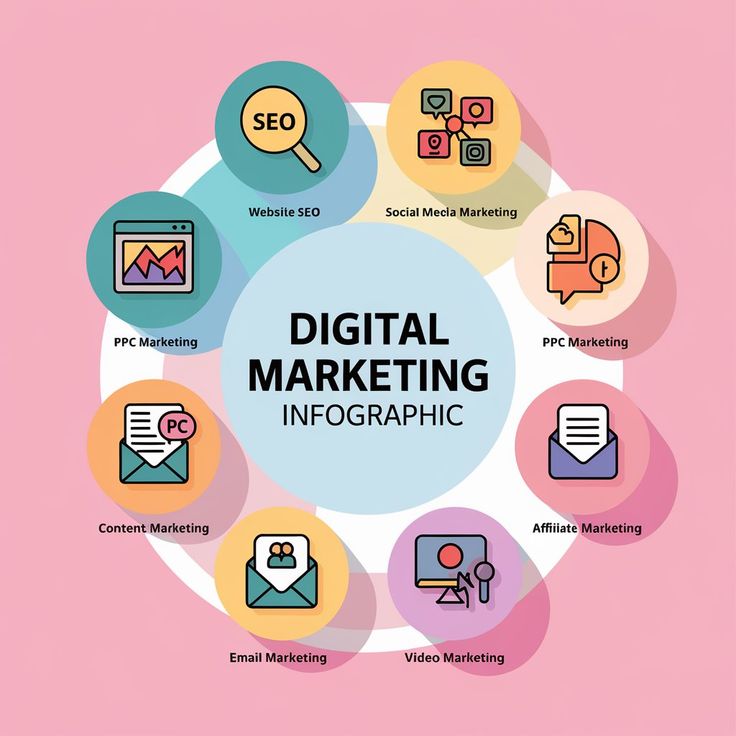
    Digital marketing beginner guide covering SEO, social media, and content marketing

    Digital marketing has become an important part of modern business. Today, people use Google, social media, websites, YouTube, and mobile apps to search for information, compare products, and make buying decisions.

    Because of this change in consumer behavior, businesses need to reach customers where they spend their time: online.

    But what exactly is digital marketing? How does it work? And why is it important for businesses?

    In this beginner’s guide, we will explain digital marketing in simple terms and explore its major types, benefits, and basic strategies.

    What Is Digital Marketing?

    Digital marketing is the process of promoting products, services, or brands through digital channels.

    These channels can include search engines, websites, social media platforms, email, online advertisements, and other digital platforms.

    For example, when a business promotes its products through Instagram ads, appears on Google search results, sends promotional emails, or publishes useful blog posts, it is using digital marketing.

    The main goal is to reach the right audience, generate interest, build trust, and encourage people to take action.

    That action could be making a purchase, filling out a form, calling a business, subscribing to a service, or visiting a website.

    Why Is Digital Marketing Important?

    Traditional marketing methods such as newspapers, television, radio, and printed advertisements can still be useful. However, digital marketing gives businesses more opportunities to connect with specific audiences.

    One major advantage is targeting.

    For example, an online advertising campaign can target people based on factors such as location, interests, age group, or online behavior, depending on the platform and campaign settings.

    Digital marketing also provides measurable data.

    Businesses can track website visits, clicks, leads, conversions, engagement, and other performance indicators. This information can help marketers understand what is working and where improvements are needed.

    Main Types of Digital Marketing

    Digital marketing is a broad field. It includes several different methods.

    1. Search Engine Optimization (SEO)

    SEO stands for Search Engine Optimization.

    It is the process of improving a website and its content so that search engines can understand it better and users can find it through relevant searches.

    For example, if you own a bakery in Lucknow, you may want your website to appear when people search for terms such as “bakery in Lucknow” or “birthday cake in Lucknow.”

    SEO generally includes areas such as keyword research, content creation, technical improvements, website structure, and earning relevant links.

    SEO is usually a long-term strategy. Results can take time, but useful and well-optimized content can continue attracting visitors.

    2. Social Media Marketing

    Social media marketing involves using platforms such as Instagram, Facebook, LinkedIn, and other social networks to promote a business or build a community.

    Businesses can share different types of content, including images, videos, educational posts, product updates, and customer stories.

    Social media can help businesses increase brand awareness and communicate directly with their audience.

    3. Search Engine Marketing

    Search engine marketing often involves paid advertising on search engines.

    For example, a business can create advertisements that appear when users search for specific keywords.

    Unlike organic SEO, paid search campaigns can provide visibility through advertising placements when the campaign meets the platform’s requirements and bidding conditions.

    4. Content Marketing

    Content marketing focuses on creating useful and relevant content for a target audience.

    This content can include blog posts, videos, guides, infographics, case studies, and social media content.

    Instead of only promoting a product, content marketing aims to provide information that helps the audience solve a problem or answer a question.

    Useful content can help a business build credibility and attract potential customers.

    5. Email Marketing

    Email marketing involves communicating with customers or subscribers through email.

    Businesses can use email to share product updates, offers, educational content, newsletters, and important information.

    A good email marketing strategy focuses on providing relevant content rather than sending unnecessary messages.

    6. Influencer Marketing

    Influencer marketing involves collaborating with content creators who have an audience on platforms such as Instagram, YouTube, or other social networks.

    A business may work with an influencer to introduce a product or service to the creator’s audience.

    The success of an influencer campaign depends on factors such as audience relevance, content quality, credibility, and campaign objectives.

    How Does Digital Marketing Work?

    Digital marketing usually starts with understanding the target audience.

    A business needs to know who its potential customers are, what problems they have, and what information they are looking for.

    The next step is choosing suitable digital channels.

    For example, a local business may focus on Google Search, Google Business Profile, SEO, and social media. A B2B company may focus more heavily on LinkedIn, SEO, email marketing, and educational content.

    After launching a campaign, marketers monitor the results.

    They may measure metrics such as website traffic, engagement, leads, conversion rate, cost per lead, and return on advertising spend.

    Based on the data, campaigns can be improved over time.

    Benefits of Digital Marketing

    Digital marketing can provide several benefits to businesses.

    Wider Reach

    Businesses can reach customers beyond their local area through websites, search engines, social media, and online advertising.

    Better Targeting

    Digital advertising platforms can provide targeting options that help businesses reach specific audiences.

    Measurable Results

    Businesses can use analytics and advertising dashboards to understand campaign performance.

    Cost Flexibility

    Digital marketing can be started with different budgets. Small businesses can begin with organic content and gradually invest in paid campaigns.

    Direct Customer Interaction

    Social media, email, websites, and messaging platforms allow businesses to communicate with customers more directly.

    Digital Marketing vs Traditional Marketing

    Traditional marketing mainly uses channels such as newspapers, television, radio, billboards, and printed materials.

    Digital marketing uses online channels such as search engines, websites, social media, email, and digital advertising platforms.

    The two approaches are not necessarily competitors. Depending on the business, a combination of traditional and digital marketing may be useful.

    The right strategy depends on the target audience, business goals, budget, and available resources.

    How to Start Learning Digital Marketing

    If you are a beginner, start with the fundamentals.

    First, understand how websites, search engines, social media, and online advertising work.

    Then learn basic SEO, content marketing, social media marketing, and analytics.

    Practical experience is also important. Create a simple website, write blog posts, practice keyword research, create social media content, and learn how advertising campaigns are structured.

    You do not need to master every area immediately. Digital marketing contains many specializations, so you can gradually identify the area that interests you most.

    Conclusion

    Digital marketing is the use of digital channels to promote businesses, products, services, and brands.

    SEO, social media marketing, content marketing, email marketing, search advertising, and influencer marketing are some of its major areas.

    For beginners, the best approach is to understand the basics first and then gain practical experience.

    As businesses continue to build their online presence, digital marketing skills can be useful for entrepreneurs, freelancers, marketers, and businesses of different sizes.

    The key is not simply to promote a product. Effective digital marketing starts with understanding the audience, creating useful content, choosing the right channels, measuring results, and continuously improving the strategy.